How to survive day one in any survival game
Nine decisions in the first 30 minutes decide whether you build a base or start over. A universal framework for the survival genre.
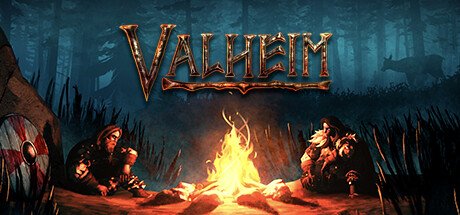
Every survival game wears different skin, but the day-one math is almost always the same. The nine decisions below work in Valheim, Rust, The Forest, even Subnautica with small adjustments.
Decision one: water and food before anything. Not planks, not walls. The hunger timer is the only thing that never negotiates, and new players always underestimate how fast it walks.
Decision two: pick a base point near two resources, not one. Water near forest near stone. The 'perfect' spot far from everything is a trap that only bites on day three.
Decision three: build small and ugly before building big. The first base's job is a safe return point, not art. Time spent on decoration is time there is no wall.
Decision four: make one storage box and put it inside, not outside. In most games you will die and run back; recovering from a corpse is easier when safe loot has one obvious home.
Decision five: learn one weapon, not two. Day-one resources cannot feed two weapon paths. Skill beats variety in the early game.
Decision six: mark the dangerous hours. Nearly every survival has a night cycle or event that arrives on a schedule. Start counting from minute one, not when it surprises you.
Decision seven: do not fight what you can avoid. On day one, every enemy pays less than it costs. Safe routes are a strategy.
Decision eight: sleep or rest if the game allows it, before the window closes. A missed day cycle is a missed preparation cycle.
Decision nine: set tonight's target, however small. 'Tonight: kitchen and chest.' Small finished targets build the finishing habit, and this genre punishes players with twenty half-done projects.
Summary: day one is not about speed, it is about not restarting. These nine decisions do not make you good, they keep you alive long enough to get good.
Read next
Valheim
Bosses that change how you play: each kill unlocks new materials and foods. We map the boss order that is frie…
Subnautica
A deep sea that is genuinely terrifying without a single ghost. Our guides cover oxygen management and safe di…
Green Hell
The most realistic wound system in the genre: broken bones, parasites, poison. Our entry covers the daily rhyt…

The Forest
The cannibals learn from your behaviour. We cover how the forest AI reads your buildings, and base designs tha…
Frequently asked questions
Should I build a shelter immediately in a new survival game?
Usually no. Spend the first ten minutes collecting consumables and raw materials instead. A shelter locks you into a site before you know where water, ore and threat routes are, and raw materials are easier to move than a placed structure.
Why does water come before food in the priority ladder?
Dehydration meters typically drain faster than hunger and are harder to resolve after dark. In Subnautica and Green Hell, finding safe water is the actual opening puzzle; food is comparatively trivial.
What is the most common day-two mistake?
Repeating day one. Set one objective that permanently changes the save, such as a smelter, a water collector, a bed that acts as a respawn point, or the next tool tier. A bigger pile of the same sticks is a stalled run.
How do I choose a base location without map knowledge?
Score flat ground, water distance, tomorrow's key resource, defensible approaches and whether the spot sits on a route you will travel anyway. Avoid scenic clifftops; they turn every return trip into a stamina problem.
Does this framework work for PvP survival games like Rust?
The order transfers, the specifics do not. In Rust, visibility and proximity to monuments matter more than biome comfort, so "flat and hidden near a route" outranks "pretty and defensible".
Is it worth repairing a tool on the first night?
Yes. Repairing before it breaks is cheaper than recrafting, and a tool failing at the start of day two costs far more time than the few materials spent at the fire.