Horror that lasts without cheap jump scares
Jump scares are sugar; designed darkness is food. How the best horror developers build fear that lasts for hours.
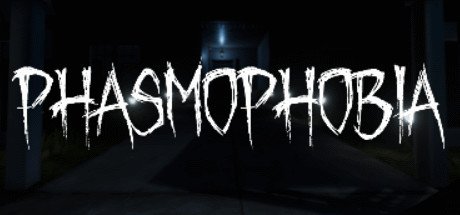
There are two kinds of horror games: the ones that startle you once and get forgotten, and the ones that make you listen to an empty corridor twenty minutes after closing. The difference is not budget; it is design choices.
Choice one: sound before picture. The best horror games put information in audio: footsteps almost heard, breathing that stops. Eyes close, ears do not. Developers who understand this build darkness that stays scary with no monster on screen.
Choice two: give the player power, then make it heavy. A working flashlight is a tool; a visible battery is fear. This formula is old but it works because it moves the decision to the player: seeing costs.
Choice three: an enemy that learns. A monster that always spawns in the same place becomes moving decoration. AI that adjusts patrols to your habits makes the same corridor feel different in hour two.
Choice four: decisions under pressure. Good horror forces a pick: carry the medkit or the batteries, save at the door or push one more room. Because every option is partly right, no decision feels safe.
Jump scares have their place, as seasoning. But the night you remember years later is almost always the night you decided, yourself, to walk into that room.
Read next
Valheim
Bosses that change how you play: each kill unlocks new materials and foods. We map the boss order that is frie…

Subnautica
A deep sea that is genuinely terrifying without a single ghost. Our guides cover oxygen management and safe di…
Green Hell
The most realistic wound system in the genre: broken bones, parasites, poison. Our entry covers the daily rhyt…

The Forest
The cannibals learn from your behaviour. We cover how the forest AI reads your buildings, and base designs tha…
Frequently asked questions
Why do jump scares stop working so quickly?
They are a reflex to a sudden loud signal. Once you know the timing, the surprise is gone and you start watching for the edit instead of inhabiting the space. The reaction does not survive a second playthrough.
Which games on this site use sound as a threat model?
Hunt: Showdown 1896 is the clearest example, where crows, glass and distant gunfire reveal enemy movement. Dead by Daylight inverts the idea with a terror radius that turns volume into a distance measurement.
Is randomness the same as unpredictability?
No. Pure randomness reads as noise. Effective horror uses rules you partly understand but a state you cannot observe, such as a hunt trigger whose conditions you know but whose timing you do not.
Does knowing the mechanics ruin a horror game?
It ruins games built on a single reveal. Systems-based horror survives explanation: knowing how Phasmophobia decides to hunt does not tell you when this particular hunt will start.
What is the practical way to keep a horror game tense?
Use headphones at moderate volume, avoid spawn-rule wikis on a first run, give the run a loss you care about, and stop when you notice you have switched from hesitating to optimising.
Why do you separate horror from survival in your reviews?
Because the question is different. Survival asks whether you planned well; horror asks whether you can act while uncertain. Several games sit in both, but the review has to say which pressure dominates.